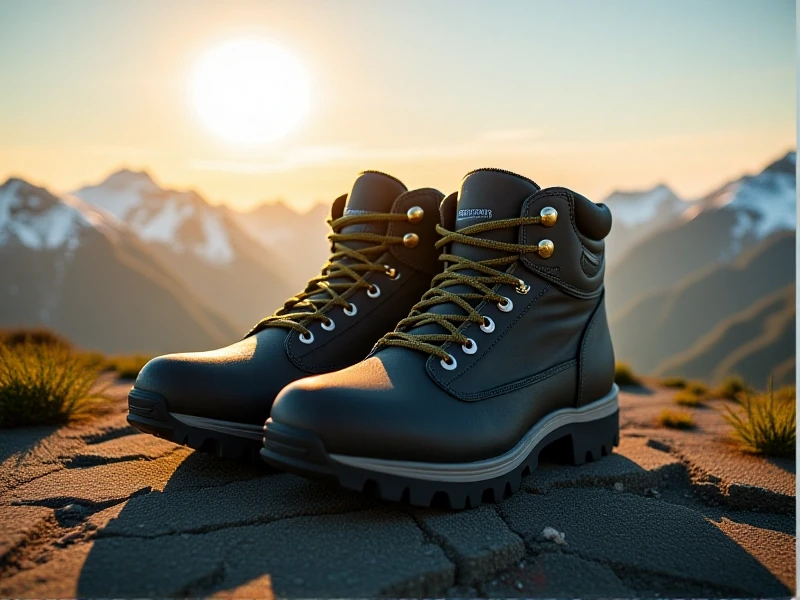
Why Mountaineering Shoes Are Non-Negotiable for Serious Climbers
Here is an SEO article focusing on the keyword "Mountaineering Shoes":
Hitting the trail might just require your favorite hiking boots, but when the terrain gets truly vertical, rock becomes your path, and thin air surrounds you, dedicated mountaineering shoes aren't just helpful – they're critical safety equipment. Choosing the right footwear for serious ascents is paramount, directly impacting your performance, security, and ultimate success.
True mountaineering shoes represent a significant leap beyond standard hiking gear. They are engineered for the unique and harsh demands of tackling mountains: gripping icy inclines, edging precariously on tiny rock slabs, enduring abrasive scree, protecting feet from relentless bumps on mixed routes, and kicking steps into hard snow. For aspiring alpinists or vertical adventurers navigating off-path summits, overlooking the necessity of purpose-built mountaineering footwear is a mistake laden with risk.
So, what makes these specialist shoes essential?
- Superior Grip on Everything: Forget regular lugs. Proper mountaineering shoes feature aggressively sticky rubber soles specifically formulated to bite into rock and maintain traction on verglas (thin ice over rock) and firm snow. Vibram® climbing compounds and specialized tread patterns maximize security when footholds are scarce and consequences are high. Confidence flows directly from reliable friction.
- Precision for Technical Terrain: Mountaineering demands subtle footwork. The stiffness offered isn't about rigid inflexibility, but controlled precision. It allows you to confidently edge on narrow rock features and transfer power effectively when kicking into steep snow or ice. They provide a stable platform that standard hiking boots lack on technical ground.
- Essential Protection from Hazards: Mountain environments are unforgiving. Sharp rock flakes, falling stones, crampon points during transitions, or simply bashing your toes against hidden obstacles – mountaineering shoes incorporate durable materials like rubber rands (exoskeletal rubber protecting the toes and sides), stiff toe boxes, and often built-in protection plates. Durability here directly correlates with safety.
- Weather Resistance & Insulation: Whether keeping moisture out from wet snow or cold streams, or retaining warmth at altitude, mountaineering shoes (often paired with gaiters) provide essential protection. Options range from breathable waterproof membranes for milder ascents to fully insulated boots for glacial travel and extreme cold. Staying dry and warm prevents debilitating frostbite and hypothermia.
- Crampon Compatibility is Crucial: When you're moving across glaciers or ascending icy faces, crampons are life-safety tools. Mountaineering shoes (especially stiff models) feature specific welts designed to securely attach technical crampons (usually B2 or B3 rated for semi-rigid or rigid bindings), ensuring reliable performance when it matters most.
Choosing the perfect mountaineering shoe involves balancing demands: rock-heavy scrambles versus long snow slogs; summer alpine rock versus high-altitude ice. Assess the primary terrain, duration, technical difficulty, and required crampon types. Key attributes to scrutinize include stiffness (support vs. feel, measured in B ratings for crampon compatibility), ankle support (low-cut for technical rock, mid/high for load carrying and support), weight, waterproofing level, and insulation suited to the expected temperatures.
Investing in a pair of quality mountaineering shoes isn't just buying gear; it's investing in your confidence and safety in high places. They are your fundamental connection to the mountain. Don't jeopardize your objective or your well-being with inadequate footwear. For tackling routes beyond mere trails, where exposure is high and failure isn't an option, specialized mountaineering shoes become your most trusted partner. Choose wisely for every vertical challenge your summit aspirations demand.