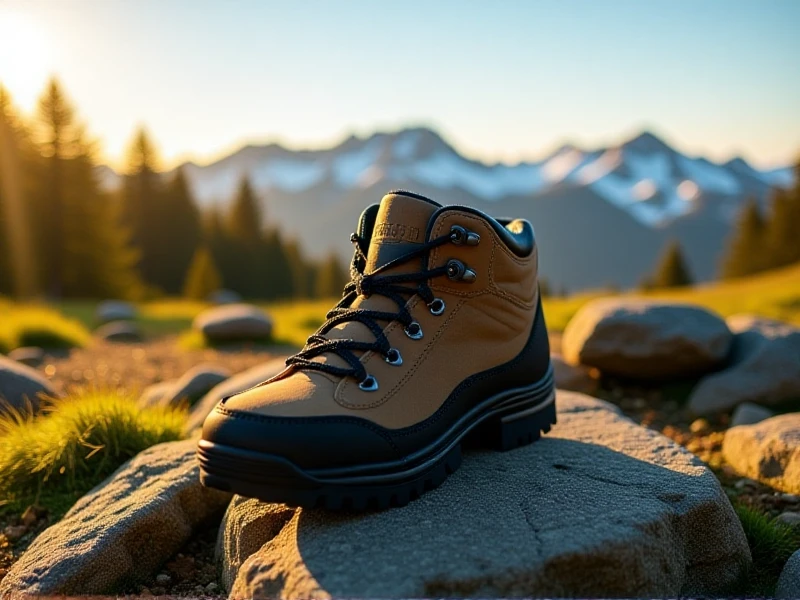
Conquering Peaks Starts Below: Your Mountaineering Boots Buying Guide
Scaling mountains demands more than just willpower; it demands gear engineered for extremes. At the absolute foundation of any serious alpine adventure are your mountaineering boots. Unlike standard hiking boots, these are your critical connection to technical terrain, ice, and rock – a choice impacting safety, performance, and comfort where it matters most. Choosing wrong isn't just inconvenient; it's hazardous.
The Non-Negotiable: Fit Supreme Forget trends, aesthetics matter less than anatomy. Mountaineering boots need a glove-like fit across the heel and instep, with controlled room for toes to wiggle slightly without sliding. Try them on late in the day with your intended mountaineering socks, and wear them significantly before committing. Pressure points that seem minor indoors become agony at altitude or over long miles. Brands like La Sportiva (Nepal Cube, G2 SM), Scarpa (Mont Blanc Pro, Phantom Tech), and Salewa offer varied lasts – finding your match is paramount.
Essential Features: Rigidity, Support & Protection For glacier travel and steep snow/ice, stiffness is king. Look for B2 or B3 rated boots:
- B2 (Semi-Stiff): Crucial crampon compatibility (semi-automatic/step-in). Excellent support for moderately technical glaciers and alpine routes. Offers better walking comfort than B3. Ideal for mountaineering boots tackling less extreme vertical ice.
- B3 (Fully Rigid): The gold standard for technical ice climbing and extreme mountaineering. Requires fully automatic crampons. Maximum ankle support, torsional rigidity for edging on rock, and supreme protection. Less flexible for long approaches.
Weatherproofing & Durability Expect wet conditions. Quality mountaineering boots integrate waterproof membranes (like Gore-Tex) seamlessly bonded to the upper (leather or synthetic). Full-grain leather offers superior durability and natural water resistance but requires more care. High, integrated gaiter designs prevent snow ingress. Robust toe caps and randing protect against rock abrasion.
The Soul of Grip: Outsoles Matter Vibram® is often the standard here, featuring aggressively lugged designs (e.g., Idrogrip, Artica) optimized for snow, soft terrain, and edging on rock. Ensure the sole provides reliable traction on wet roots and loose scree encountered on approaches.
Weight & Insulation Balance Heavier boots offer more support and durability but increase fatigue. Consider your primary objective: long, mixed approach routes might favor lighter B2 boots; committing ice faces demand a B3 workhorse. Insulation depends on season and altitude – minimal integrated insulation suffices for 3-season use in many ranges, while high-altitude or winter boots incorporate Thinsulate™ or similar.
The Final Word: Invest Expertise Your mountaineering boots are arguably your most critical gear investment. Never compromise on fit or suitability for your intended terrain. Visit a reputable outdoor retailer, consult experienced staff, try multiple pairs, and prioritize function over anything else. The right boots don't just carry you upwards; they empower confidence in every step, secure crampon placement, and protect your feet from the mountain's unforgiving elements. Your summit push begins with what you wear on your feet. Choose wisely.